
Public
Exploring the evolution of gambling throughout history
Nội dung chính
Exploring the evolution of gambling throughout history
Origins of Gambling in Ancient Civilizations
The roots of gambling can be traced back to ancient civilizations, where evidence of betting on games and events has been found in artifacts and writings. In ancient China, for instance, rudimentary forms of gambling can be identified around 2300 BC, with the earliest known gambling activities linked to the casting of dice and betting on games. Similarly, the Greeks engaged in various gambling activities, with the philosopher Plato writing about the prevalence of games of chance in society. These early forms of gambling set the stage for more organized activities that would evolve over centuries. Today, you can https://download-plinko.ng/en-ng/ to experience a modern twist on traditional gaming.
In addition to China and Greece, ancient Rome also embraced gambling as part of daily life. The Romans not only participated in dice games but also bet on chariot races and gladiatorial contests. The legal frameworks for gambling in these societies often reflected social attitudes toward risk and chance, which varied significantly between cultures. By studying these early examples of gambling, we can see how societal norms and the pursuit of entertainment intertwined in complex ways.
Moreover, as trade expanded and empires grew, gambling spread to different regions, adapting to local customs and preferences. This cultural diffusion allowed gambling to evolve continuously, leading to diverse practices that still resonate in modern times. The establishment of formalized betting systems also began, reflecting the increasing sophistication of societal engagement with risk and chance.
The Medieval Period and the Rise of Gaming Houses
The medieval period marked a significant transformation in gambling practices, particularly in Europe. With the decline of the Roman Empire, various forms of gambling persisted, but they became more regulated. The emergence of gaming houses, or early casinos, began during this time, particularly in Italy. These establishments offered a controlled environment for betting, where people could engage in card games and other gambling activities with greater legitimacy.
During this period, gambling became intertwined with social and cultural events. Festivals and fairs often included gambling as a means of entertainment, fostering a community spirit. Gambling games such as backgammon and dice games gained popularity and were played in both private and public settings. This proliferation of gaming houses and social gambling laid the groundwork for what would evolve into modern casinos.
Additionally, the Church had a complex relationship with gambling during the medieval era. While many religious authorities condemned gambling as sinful, others recognized its potential for generating revenue. This duality in perspective contributed to the development of laws governing gambling, which would fluctuate based on political and social factors. The ongoing evolution during this time set the stage for the future commercialization of gambling in Europe and beyond.
The Renaissance and the Emergence of Modern Gambling
The Renaissance period heralded an era of cultural rebirth and innovation, and gambling was no exception. The introduction of playing cards in Europe during this time led to a surge in new games and betting opportunities. This was further fueled by the development of printing technology, which allowed for the distribution of gambling-related literature, including rules and strategies for various games. These advancements played a crucial role in democratizing gambling, making it more accessible to a broader audience.
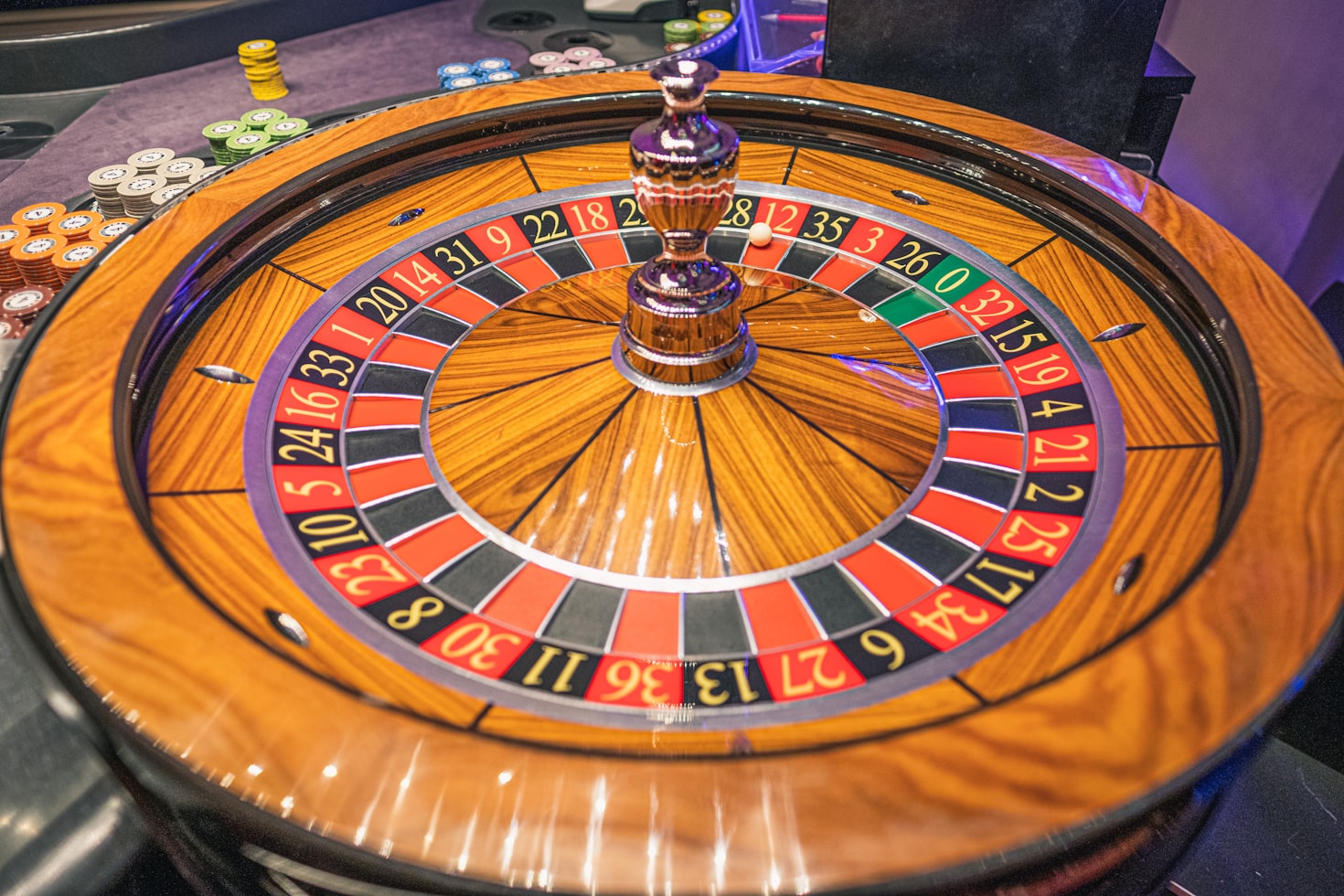
As gambling became more popular, the establishment of formal gaming institutions began to emerge. The first official casino, the Ridotto, was opened in Venice in 1638, marking a significant milestone in the history of gambling. This venue not only offered a regulated environment for betting but also popularized games like baccarat and roulette, which would become staples in modern casinos. The rise of these establishments reflected the growing acceptance of gambling as a legitimate form of entertainment.
Simultaneously, the societal implications of gambling began to evolve. Gambling was no longer merely a pastime for the elite but had become ingrained in the fabric of everyday life. As social attitudes shifted, gambling entered literature and art, further solidifying its cultural significance. This period saw the beginning of a more organized gambling industry that would continue to grow exponentially in the following centuries.
The 19th Century and the Legalization of Gambling
The 19th century marked a pivotal moment in the evolution of gambling, particularly with the legalization and regulation of various gambling forms. In the United States, the establishment of state lotteries became a popular means of funding public projects, signaling a shift in perception toward gambling as a source of revenue. This trend quickly spread to other countries, where governments began to recognize the economic potential of regulated gambling.
Additionally, the emergence of betting on horse racing during this time further popularized gambling. The introduction of the totalizator system allowed for more organized betting processes, making it easier for the average person to participate. This contributed to the development of a culture where gambling was both a social activity and an economic driver, reshaping its role in society.
The impact of the industrial revolution also played a significant role in shaping gambling practices. As people moved to urban areas, they sought entertainment and leisure activities, leading to the rise of betting shops and racetracks. The increased availability of gambling options allowed for a broader segment of society to engage in these activities, creating a vibrant culture around betting that would continue to evolve into the 20th century.
The Modern Era and the Digital Revolution
The advent of the 20th century brought profound changes to the world of gambling, particularly with the proliferation of casinos and the expansion of legal gambling options. Las Vegas emerged as a gambling mecca, drawing visitors from around the world and transforming the perception of gambling into a glamorous and exciting activity. This shift represented a significant cultural acceptance of gambling as a form of entertainment, rather than a social taboo.
With the rise of technology in the late 20th and early 21st centuries, gambling underwent another transformation. The emergence of online casinos and mobile gaming apps revolutionized the industry, making it more accessible than ever. Players could now engage in various gambling activities from the comfort of their homes, leading to unprecedented growth in the online gambling market. This transition has made gambling more diverse, with a wide array of options catering to different preferences.
Furthermore, the digital revolution has introduced new challenges and discussions surrounding responsible gambling. The ease of access to online gambling has raised concerns about addiction and societal impacts. Consequently, many jurisdictions have implemented regulations to ensure player protection and promote responsible gambling practices. This ongoing evolution highlights the need for a balance between enjoyment and safety in the modern gambling landscape.
Conclusion and Our Commitment to Information
As we have explored, the evolution of gambling throughout history reflects broader societal changes and cultural shifts. From its ancient origins to the modern era, gambling has transformed into a multi-faceted industry that continues to adapt and grow. Our website is dedicated to providing valuable information about gambling’s history, current trends, and responsible practices, ensuring that visitors are well-informed.
We strive to create a comprehensive resource for anyone interested in understanding the complexities of gambling. Whether you are a novice looking to learn about different games or a seasoned player seeking the latest developments in the industry, we aim to be your go-to platform for all things gambling. Thank you for exploring this fascinating subject with us.
