
Public
Understanding the psychology behind gambling Why we take risks at the casino
Nội dung chính
Understanding the psychology behind gambling Why we take risks at the casino
The Allure of Risk
The psychology behind gambling is deeply rooted in the thrill of taking risks. Many people are drawn to casinos because they offer an escape from the mundane routines of everyday life. The adrenaline rush experienced while placing a bet can be intoxicating, creating a unique blend of excitement and anticipation. This emotional high is often a key driver for individuals who frequent casinos, as it provides a temporary reprieve from their daily stresses. For those interested in gaming, exploring top 10 casino games online can enhance the experience even further.

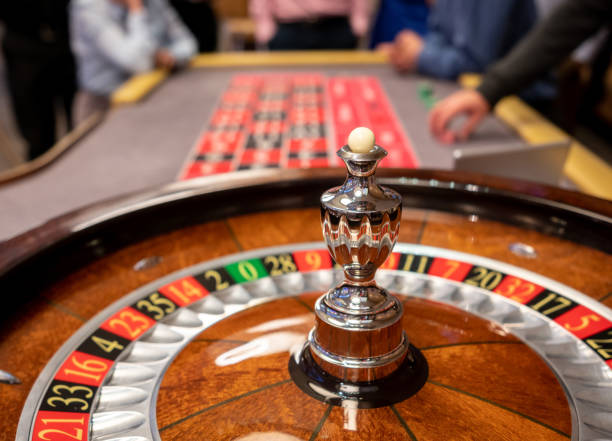
Additionally, the element of unpredictability plays a significant role in gambling. Players are often intrigued by the idea that with one spin of the roulette wheel or one flip of a card, their lives could change dramatically. This uncertainty not only enhances the excitement but also fuels a sense of hope, which can be addictive in nature. It becomes a game of chance where the reward can far outweigh the risk, making the experience alluring.
Moreover, the social environment of casinos can amplify the thrill. The sounds of chips clinking, people cheering, and the overall ambiance contribute to a collective energy that enhances the gambling experience. When individuals witness others winning, it sparks a desire to participate, creating a social validation of risk-taking. This communal aspect reinforces the allure of gambling, making it a captivating experience for many.
The Role of Cognitive Biases
Cognitive biases significantly influence the decisions made by gamblers. One prevalent bias is the illusion of control, where individuals believe they can influence outcomes in games of chance. For instance, a player might think that their betting strategy or choice of numbers can alter the odds in their favor. This misplaced belief can lead to increased betting, as players chase the notion that they possess some control over their fate.
The gambler’s fallacy is another cognitive bias that affects decision-making. This occurs when players believe that past outcomes will influence future results, such as thinking that a number is “due” to hit in a game of roulette. This flawed reasoning can lead to risky bets based on previous outcomes, further perpetuating the cycle of gambling. Understanding these biases is crucial for recognizing how they can skew perceptions and lead to increased risk-taking.
Additionally, the excitement of wins can create a false sense of competence. When a player wins, they often attribute their success to skill rather than chance, reinforcing the belief that they can continue winning. This mindset can perpetuate reckless gambling behavior as players feel emboldened to take greater risks, ultimately resulting in losses that can have detrimental effects on their financial stability.
The Impact of Rewards and Reinforcement
The structure of rewards in gambling environments is specifically designed to reinforce behavior. Casinos often use intermittent reinforcement schedules, which means that players are rewarded sporadically rather than consistently. This unpredictability makes the reward seem more valuable and encourages continued play. The thrill of winning, even if it’s infrequent, acts as a powerful motivator that keeps players returning to the tables.
Moreover, near misses also play a significant role in reinforcing gambling behavior. When players come close to winning but ultimately lose, the brain responds with a thrill akin to winning. This reaction can make gamblers feel like they are one step away from a big win, leading them to invest more time and money in pursuit of that elusive jackpot. Understanding this psychological mechanism helps clarify why many individuals continue to gamble despite experiencing losses.
Furthermore, the concept of loss aversion cannot be overlooked. Players often feel the pain of losing more acutely than the joy of winning, which can lead to a chasing behavior. When faced with losses, individuals may increase their bets in a desperate attempt to recover their funds, perpetuating a cycle of risk-taking that can be hard to break. The interplay of rewards and losses is a fundamental aspect of gambling psychology, contributing significantly to the desire to take risks at casinos.
The Influence of Environment and Design
The environment of a casino is meticulously designed to enhance the psychological experience of gambling. From the vibrant colors and lights to the sounds of coins clinking, every element is aimed at creating an immersive atmosphere that captivates players. This sensory overload can lead to a heightened emotional state, further encouraging risk-taking behavior as players become fully engaged in the experience.
Additionally, the layout of casinos is strategically planned to maximize player interaction and minimize distractions. Games are placed in close proximity, allowing for easy access and encouraging players to hop from one game to another. This design keeps the energy flowing and makes it challenging for individuals to walk away, as they are constantly drawn back into the excitement of potential wins. The carefully crafted casino environment plays a crucial role in driving risk-taking behavior.
The use of incentives, such as complimentary drinks and loyalty programs, further entices players to stay longer and gamble more. These perks create a sense of value and belonging, making players feel special and more inclined to take risks. The combination of a stimulating environment and targeted incentives makes casinos uniquely positioned to promote gambling behavior, fostering an atmosphere where risk-taking is not just encouraged but expected.
About Our Website
Our website is dedicated to providing comprehensive insights into the world of gambling, focusing on the psychological aspects that drive individuals to take risks at casinos. By exploring the underlying factors that influence gambling behavior, we aim to foster a deeper understanding of this fascinating phenomenon. Our platform offers a wealth of resources, including expert analysis and tips for responsible gambling.
We curate content that not only highlights the thrill of gambling but also emphasizes the importance of awareness and informed decision-making. By educating our audience about the psychological dynamics at play, we hope to promote a balanced perspective on gambling. Join our community for valuable insights and strategies that can enhance your gambling experience while prioritizing safety and responsibility.
